







Here’s an article about bridal trends for 2026 — what brides are embracing now, what’s coming down the runway, and how tradition meets innovation for next-year weddings.

The Big Picture: Why 2026 Is All About Personal Expression
As we head into 2026, bridal fashion is shifting away from one-size-fits-all traditions, toward deeply personal, expressive choices. Rather than a “white dress for everyone,” this year brings a variety of silhouettes, fabrics, colours, and styling options — allowing each bride to define her vibe. Couture-level detail, comfort, versatility, and a sense of storytelling are guiding the biggest bridal trends.
There’s also a noticeable tension (and creative balance) between minimalist elegance and romantic maximalism — showing that simplicity and drama aren’t mutually exclusive.
Below are the core trends shaping bridal fashion in 2026, grouped by style direction and design elements.
1. Sculpted Minimalism & Clean Lines
For brides who prefer subtle sophistication over overt theatrics — clean, tailored, and refined silhouettes dominate this category.


-
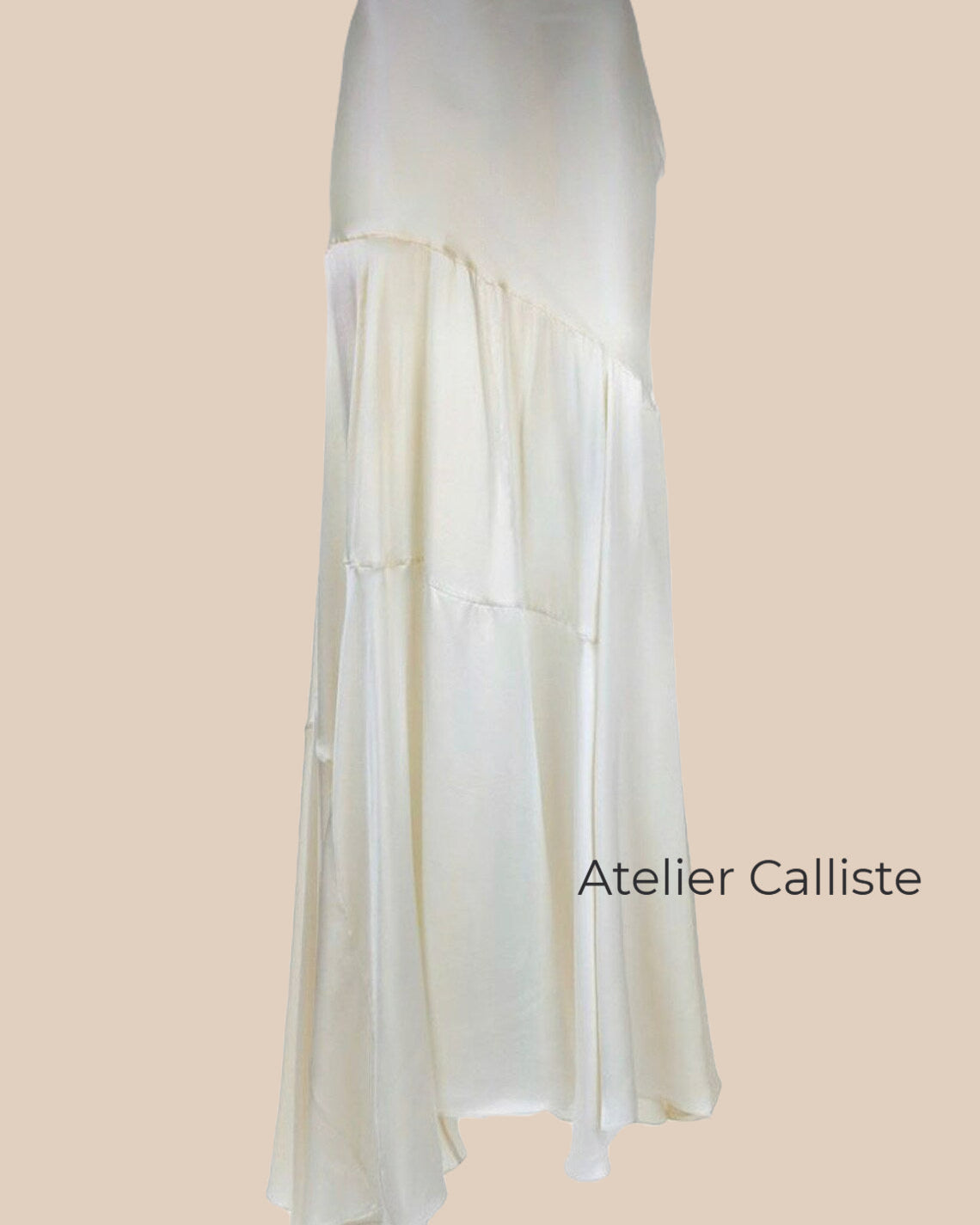
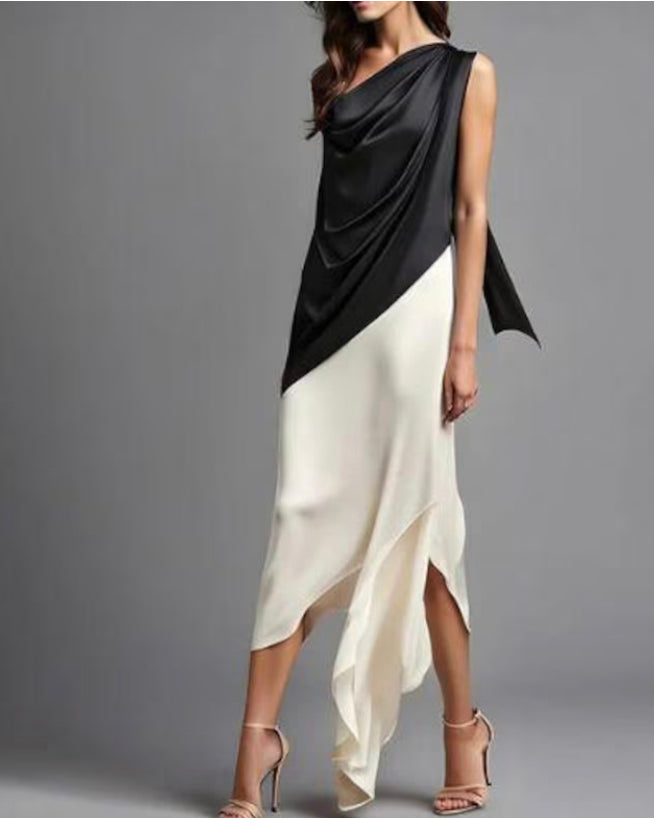
Sleek silhouettes — column dresses, straight-cut gowns, crepe or satin fabrics with minimal embellishment. These gowns emphasize shape and movement rather than ornate decoration.
-
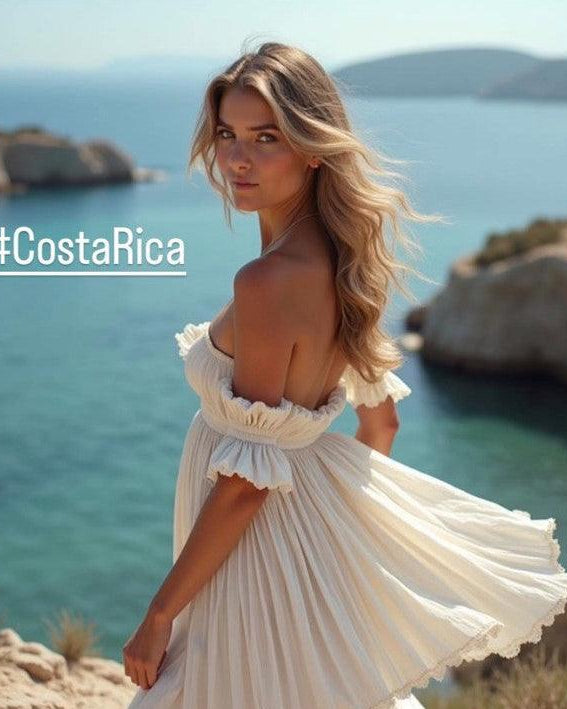
Modern necklines — square necklines, bandeau tops, off-the-shoulder cuts or subtle scoops give a contemporary touch without overwhelming the design.
-
High-quality fabrics & structure — luxurious materials like silk mikado, matte satin, and charmeuse that hold shape and feel elegant, often with tailored cuts, are preferred.
-
Minimalist doesn’t mean plain — designers are using geometry, sharp tailoring, subtle draping, and perfect silhouette lines to give minimal dresses a high-fashion feel.
This route is ideal for brides who want timeless photos and an elegant, effortless vibe — especially for modern, urban, or intimate weddings.
2. Romance, Texture & Dramatic Detail
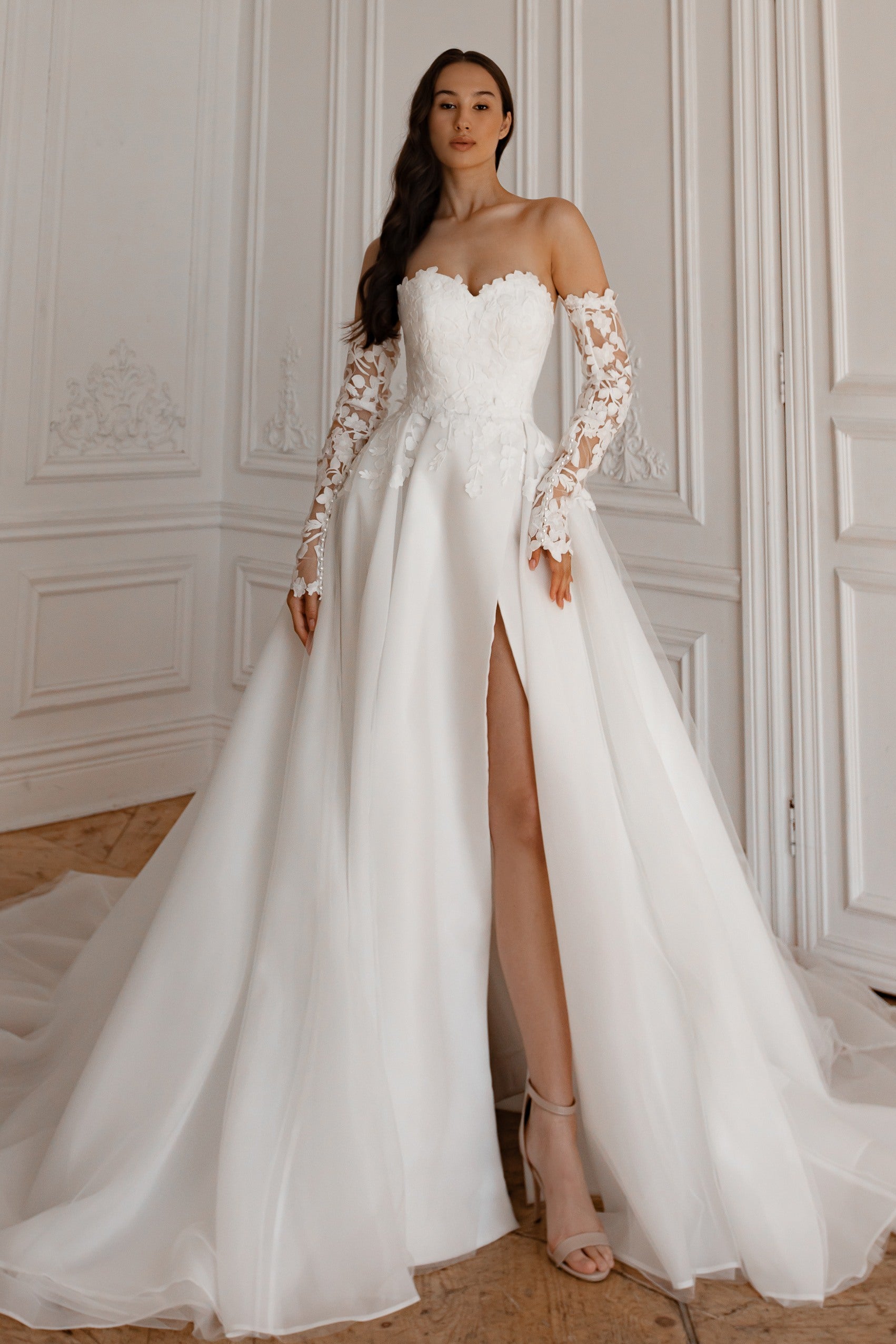
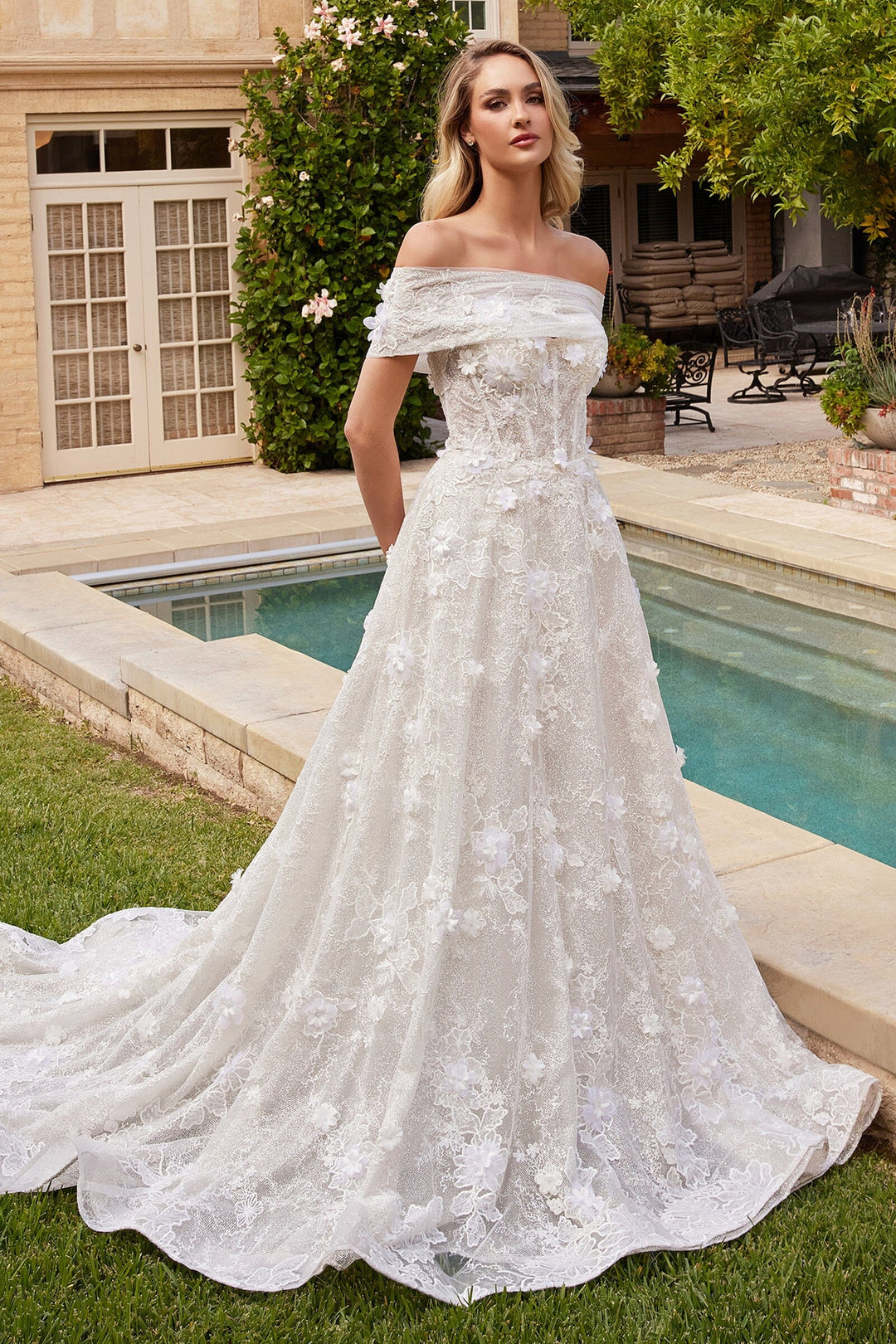
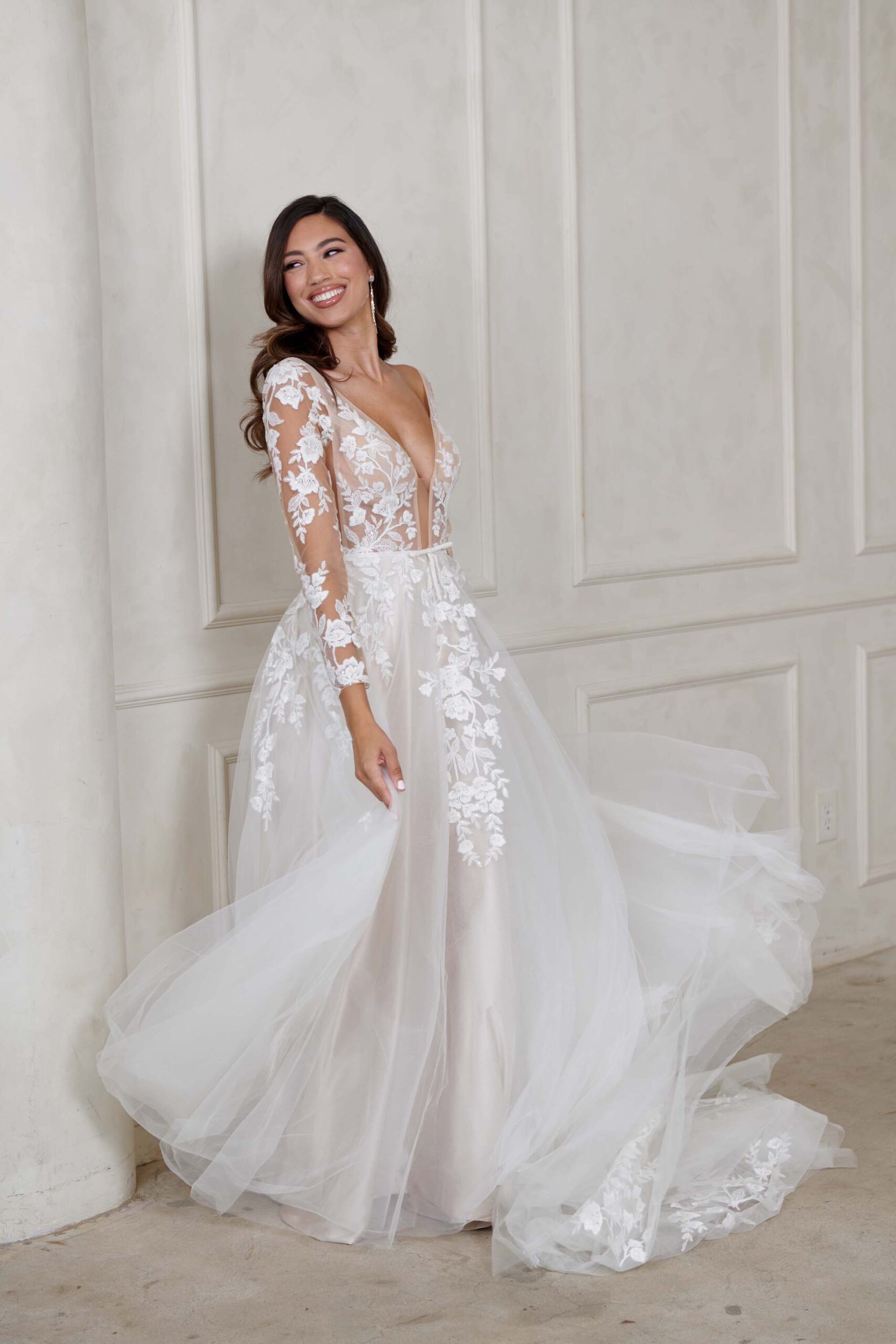
On the other end of the spectrum: for those who want their gown to be theatrical, dreamy, and full of character — 2026 is leaning into texture, flamboyance, and handcrafted details.
-
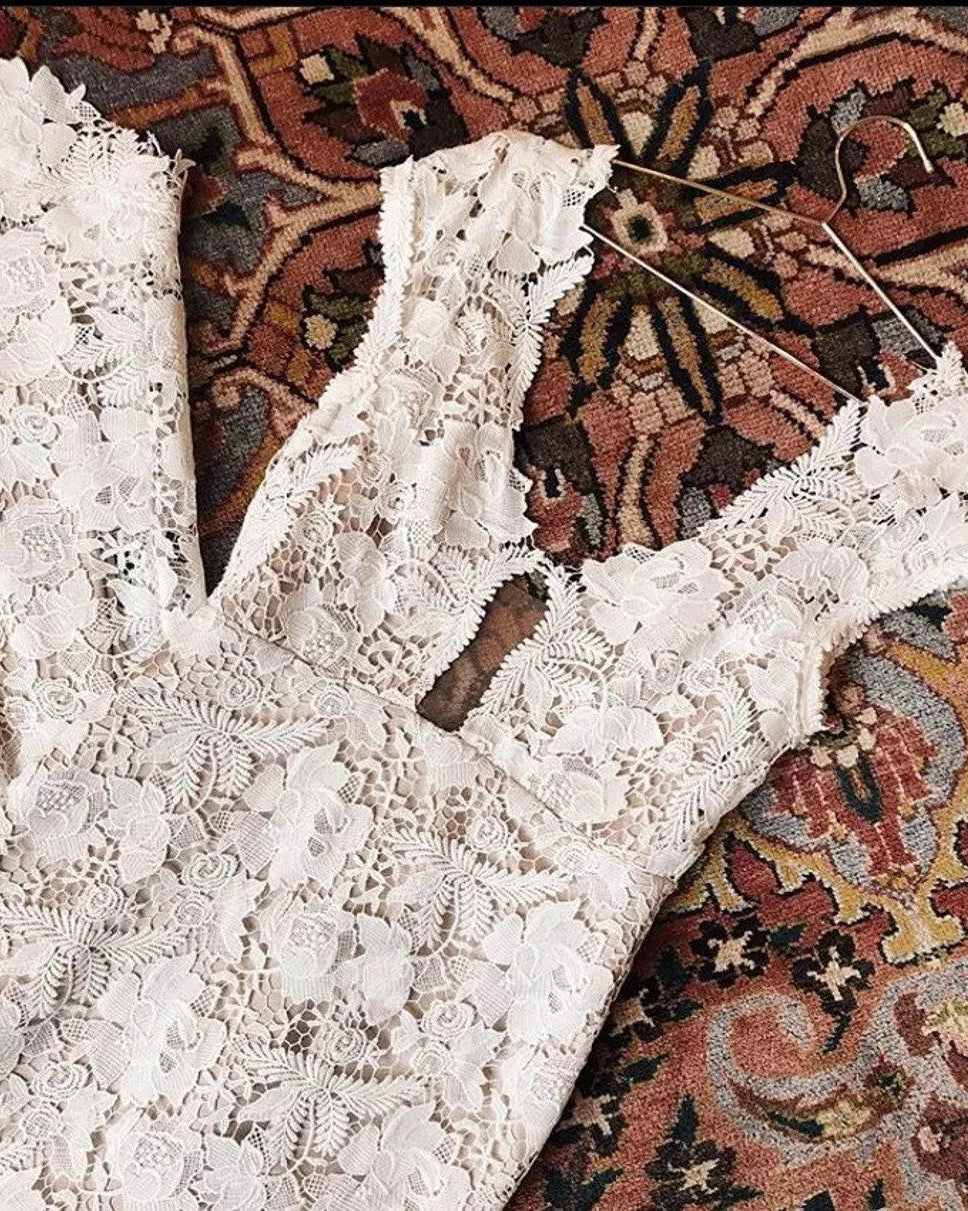
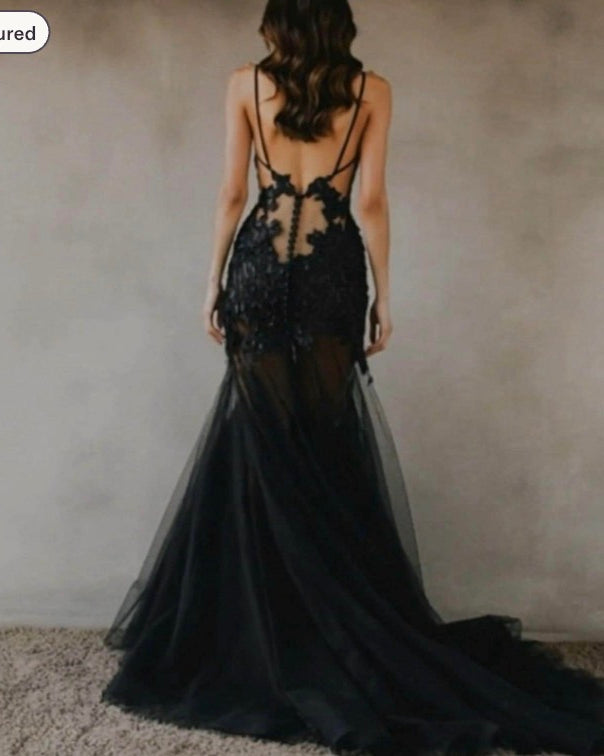
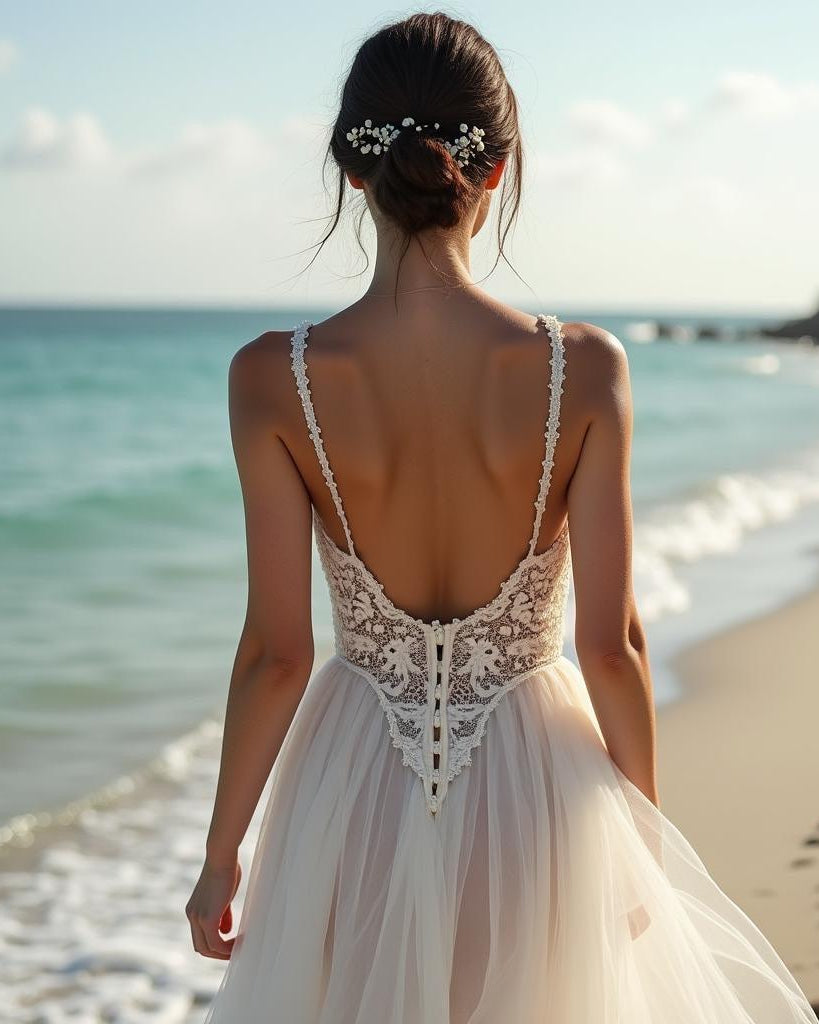
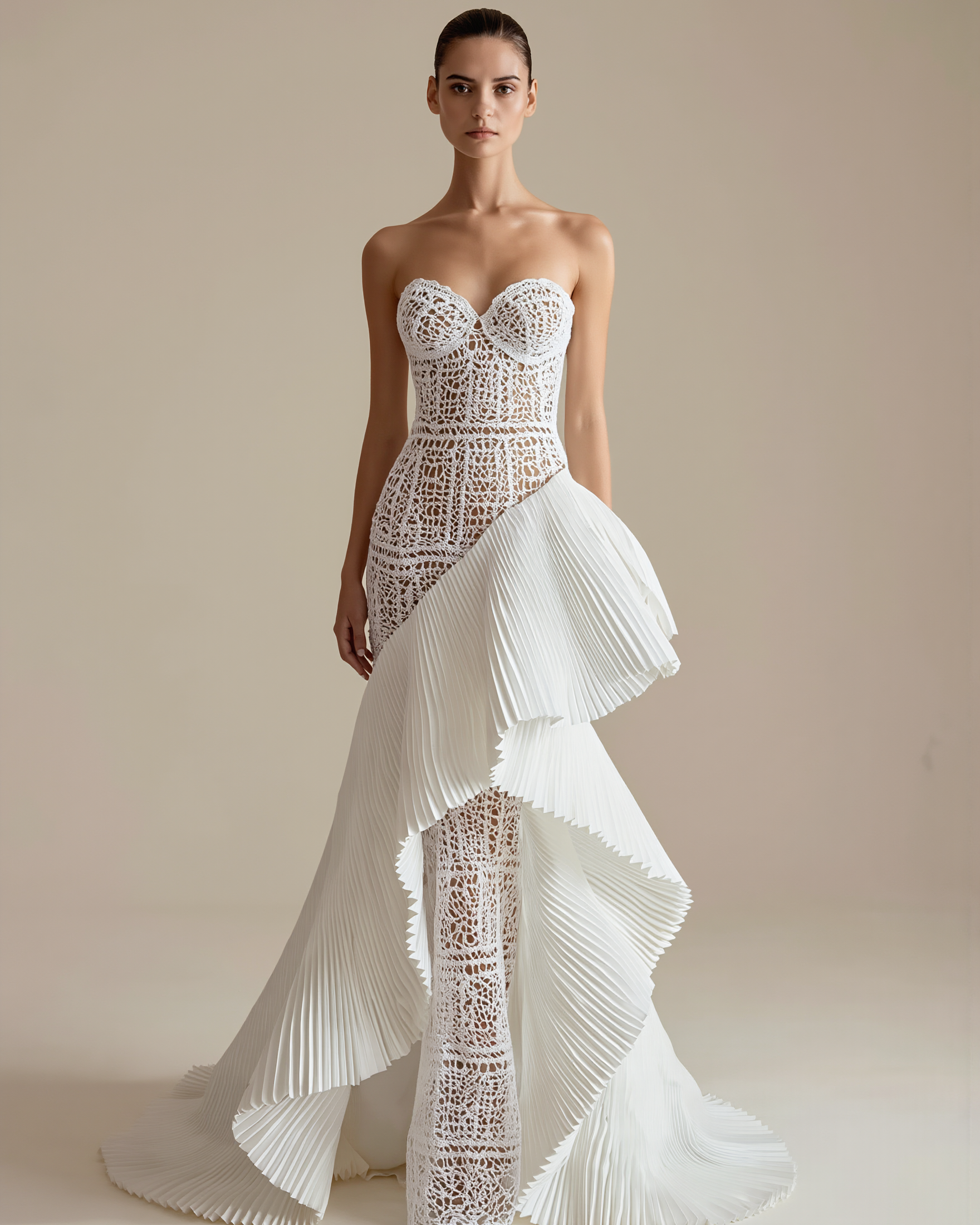
3D details, lace, and floral appliqués — raised embroidery, organza petals, lace overlays/artful textures bring gowns to life, giving depth and movement that photographs beautifully.
-
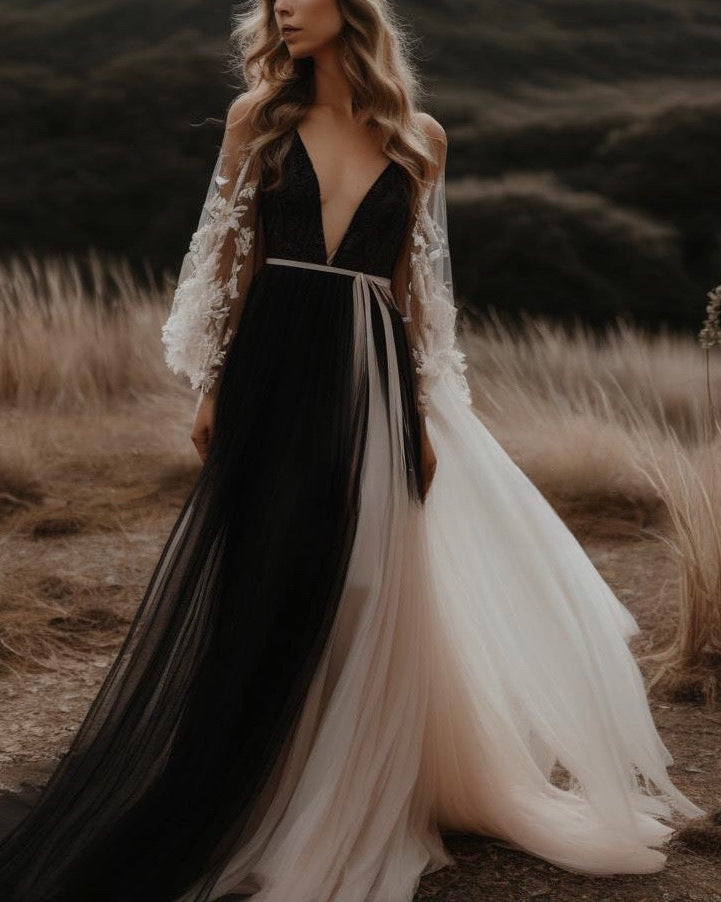
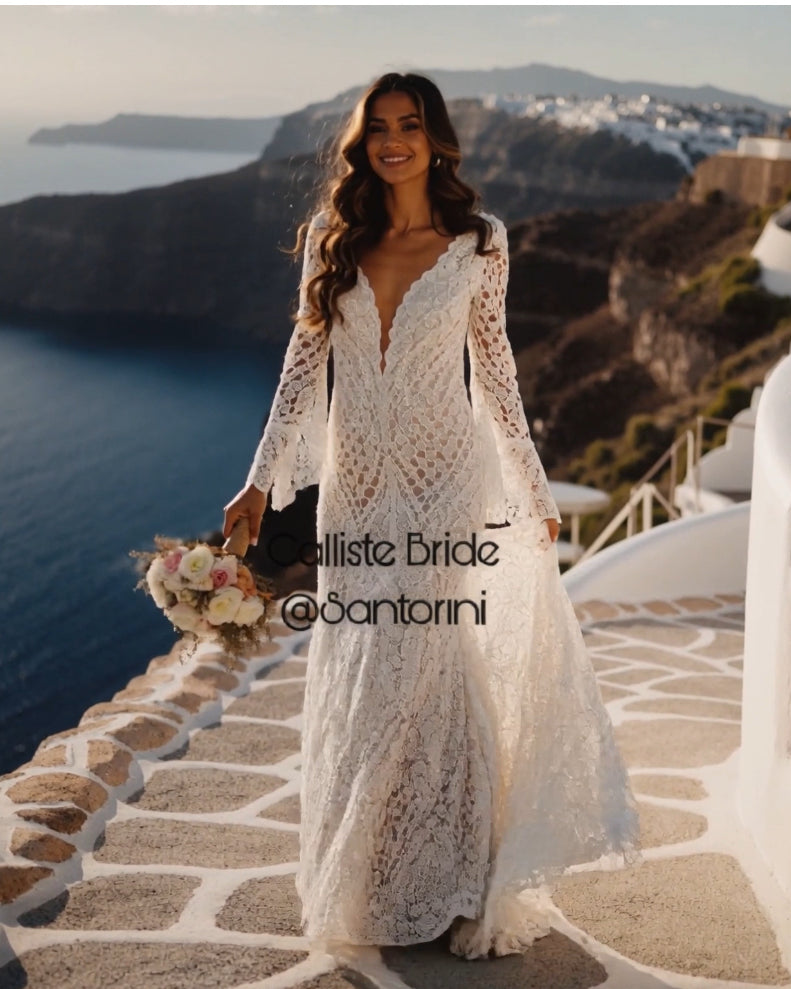
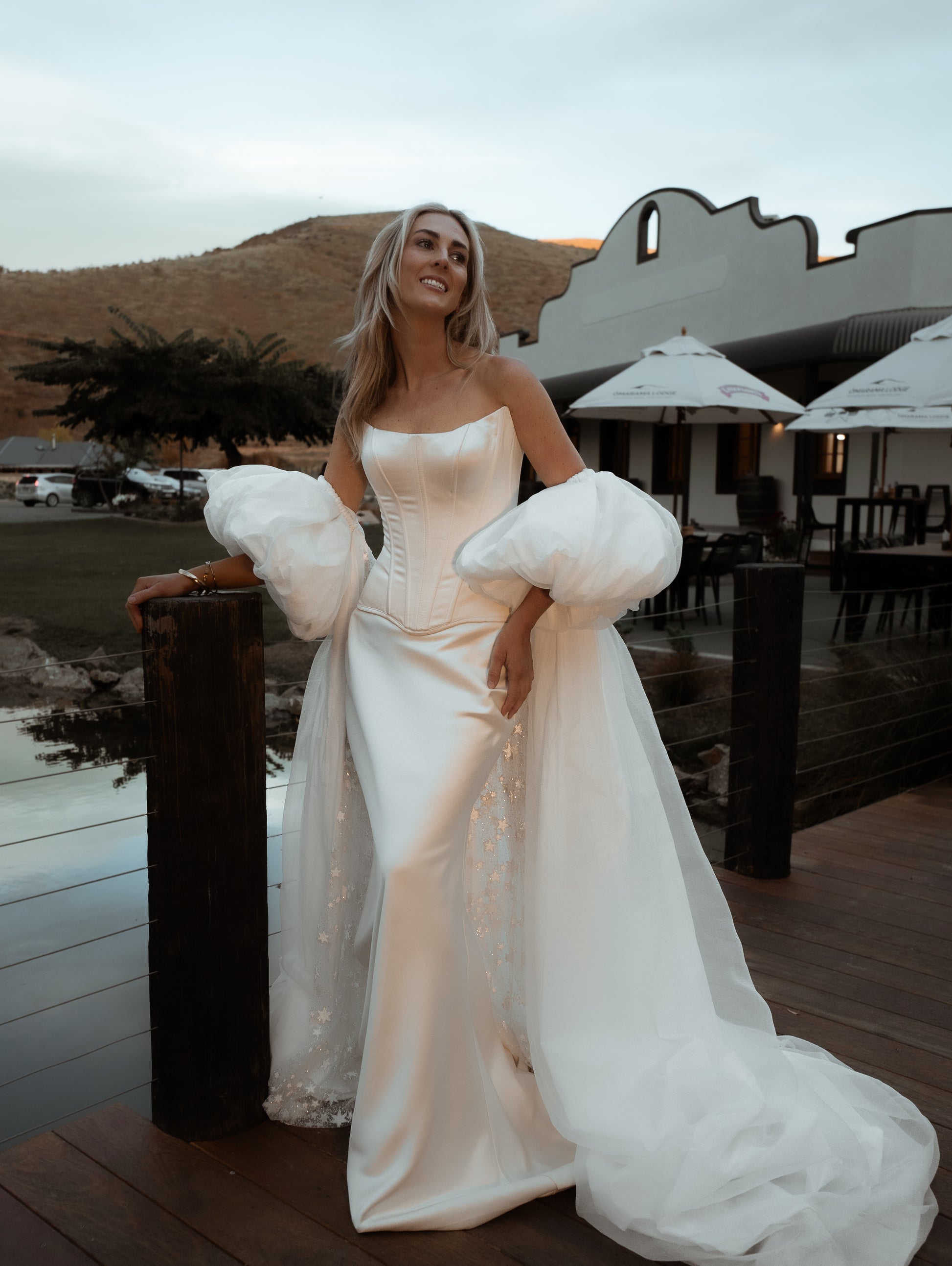
Statement sleeves & exaggerated shapes — puff sleeves, bishop sleeves, bell sleeves, even sleeve detachment for versatility — a nod to vintage romance with a modern twist.
-
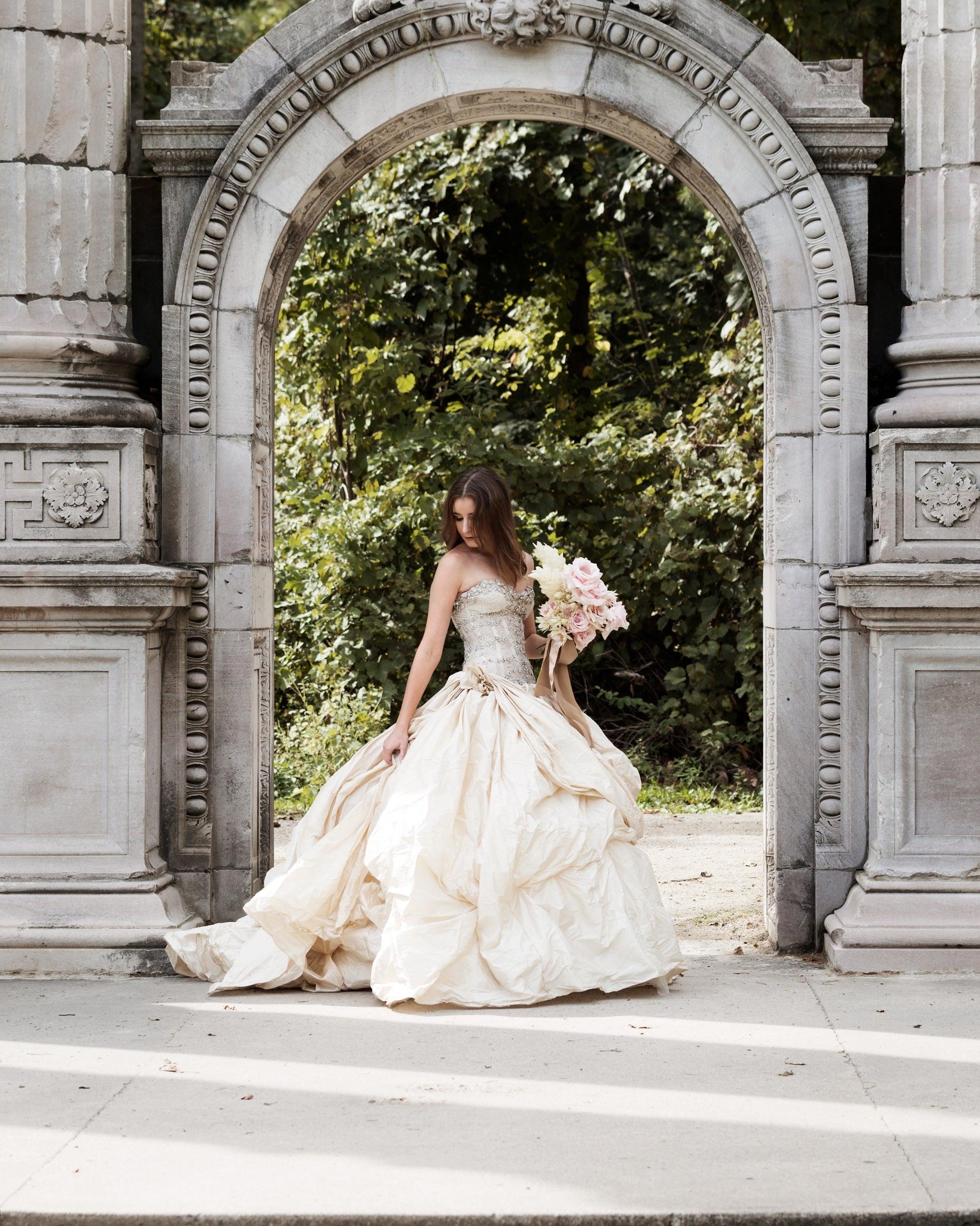
Volume, drama & bold silhouettes — bubble skirts, voluminous A-lines, tiered organza, peplum or exaggerated hip shapes for a couture-inspired statement.
-
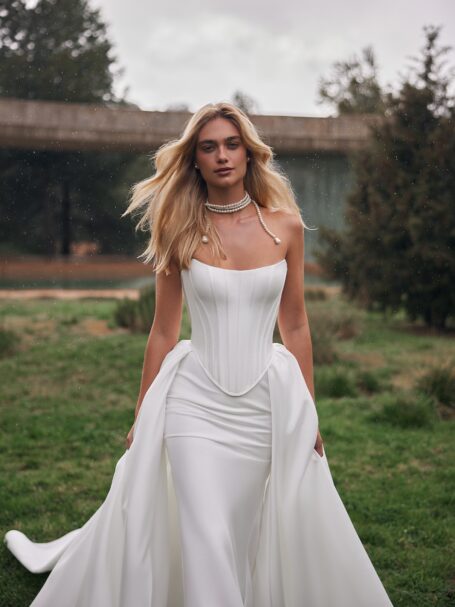
Convertible & modular design — gowns with detachable skirts, overskirts, capes, sleeves — designs that can transform from a formal “walk down the aisle” look to a reception-ready, dance-friendly version.
This style fits brides who want a fairytale-like wedding, dramatic photos, or love the idea of a “wow” factor — especially for large ceremonies, classic venues, or events where style is part of the celebration.
3. Colour, Soft Hues & Subtle Alternatives to ‘White’
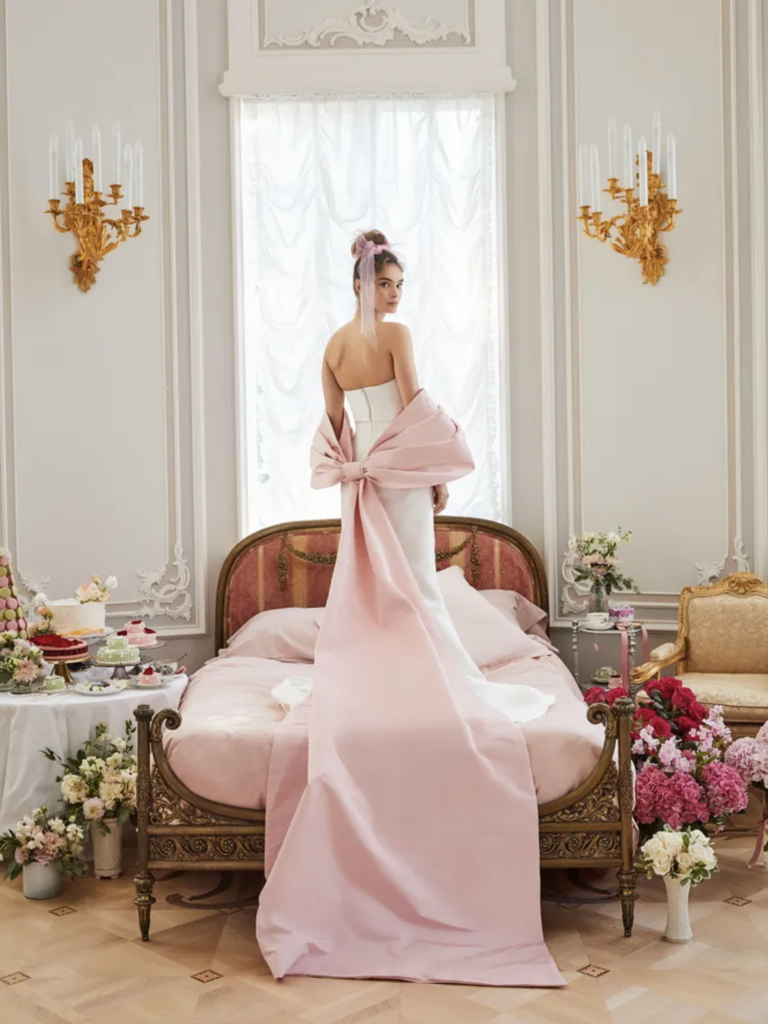
2026 embraces color (or nuance) — a move away from the strict “white dress only” tradition, giving brides more freedom to reflect personality and mood.


-
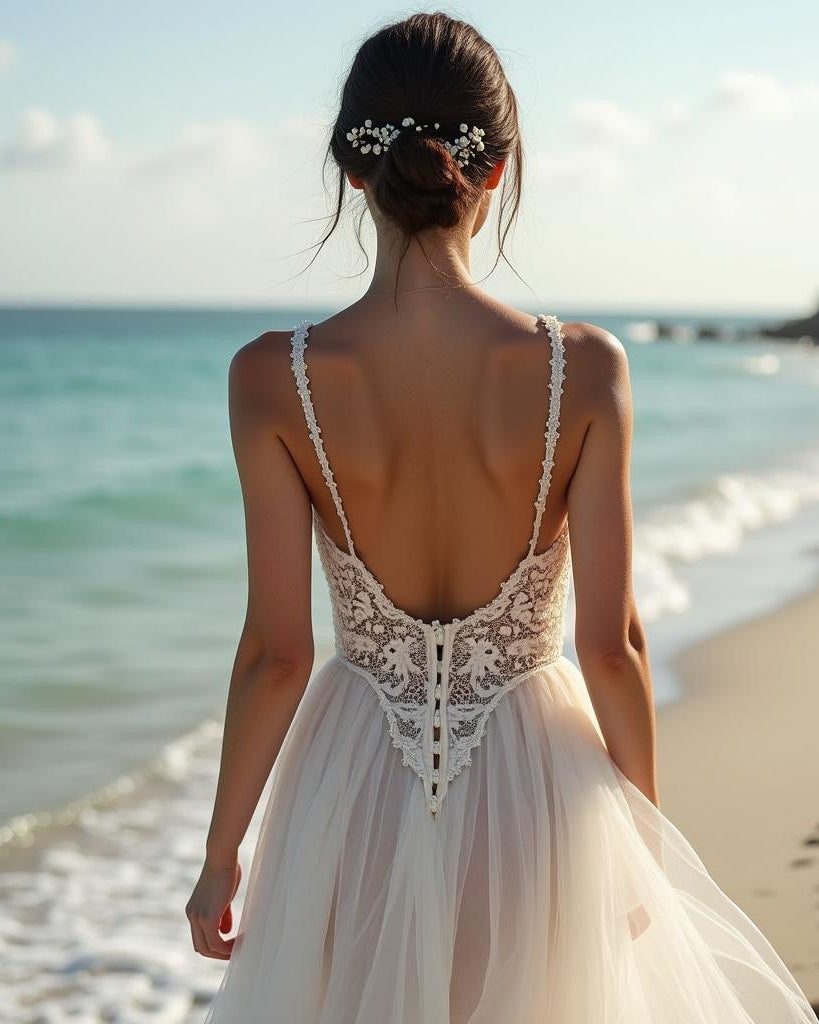
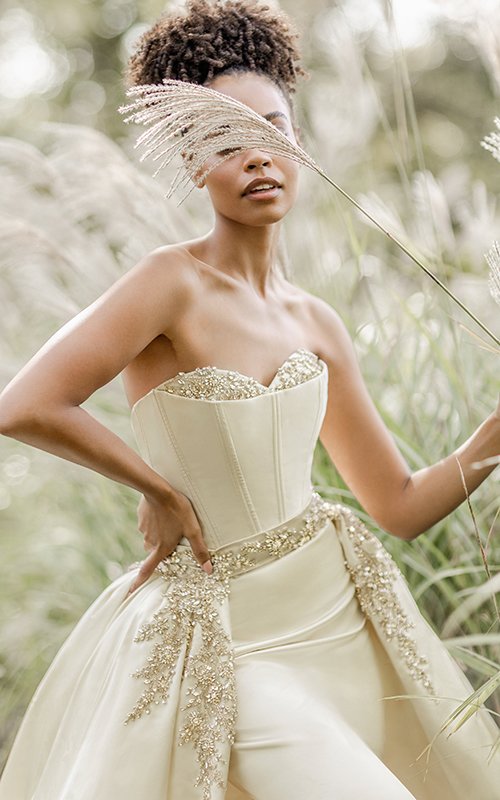
Soft, romantic shades — ivory, champagne, blush, dusty blue, or rose-quartz tones are trending, offering a softer, more individual approach to bridal wear.
-
Colour-tinted gowns & subtle pastels — beyond pure white, light pastels or gentle tints add uniqueness while maintaining bridal softness and elegance.
This route works for brides who want their wedding look to feel modern, gentle, and less convention-bound — ideal for outdoor weddings, boho vibes, or couples seeking something understatedly different.
4. Versatility & Reinvention — Dresses That Change with the Day
A major shift in 2026: gowns aren’t just for “walking down the aisle.” Brides want their dress to evolve as the day goes on — ceremony → dinner → party.


-
Detachable skirts, capes, sleeves, overskirts — many gowns come with removable elements so brides can switch from a formal ceremony look to a more relaxed reception outfit without changing dresses entirely.
-
Two-piece sets / separates / tailored suits — for those skipping the traditional dress or opting for civil ceremonies or less conventional weddings. Suits, trousers + top sets, or minimalist separates are increasingly common.
-
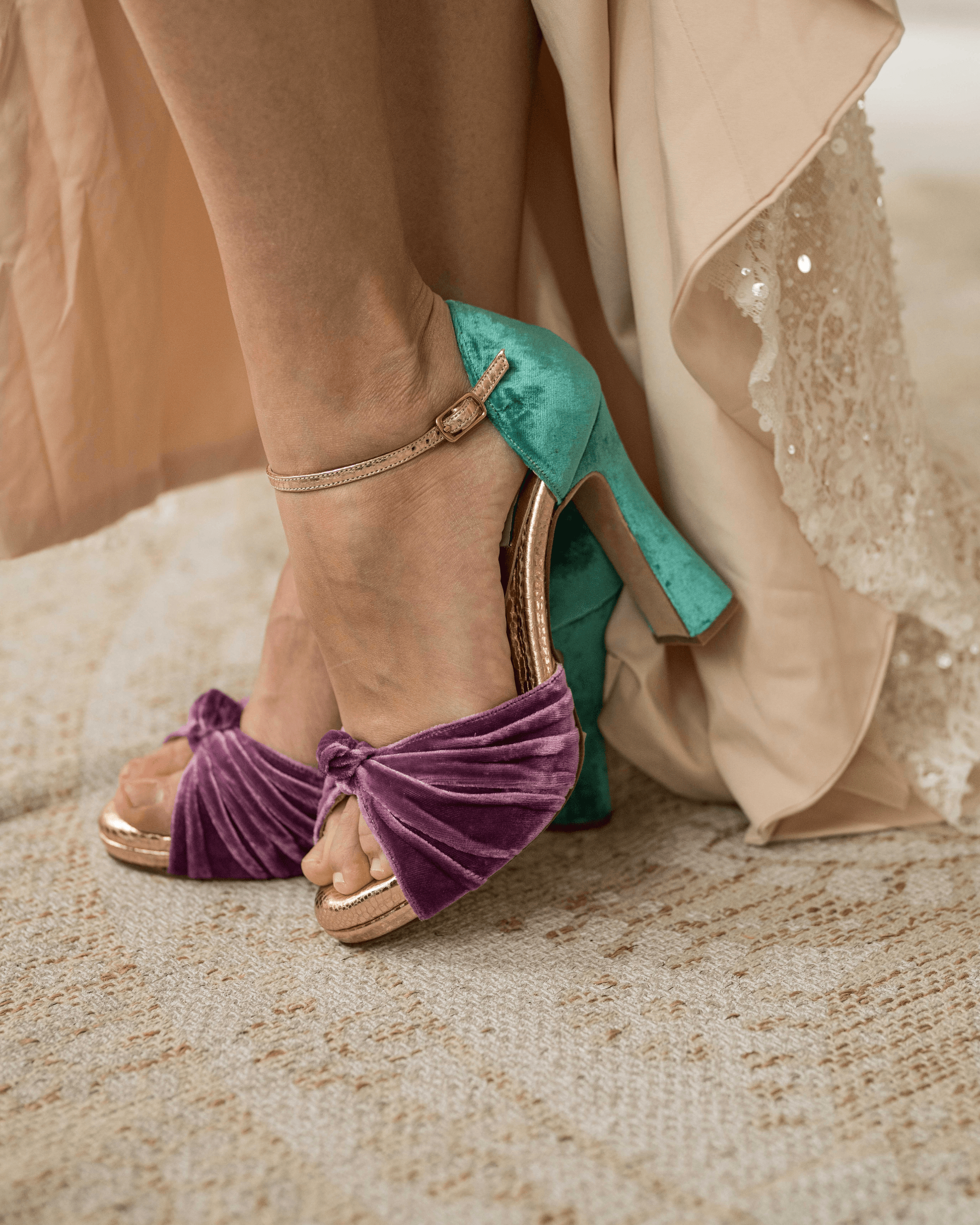
Accessories as statement pieces — think scarves, capes, veils, boleros — sometimes replacing veils altogether — used as flexible style tools, not just formal tradition.
Versatility is key for modern couples: whether you’re having a multi-day celebration, a destination wedding, or just want practicality without sacrificing beauty.
5. Corsetry, Tailoring & Sculpted Silhouettes
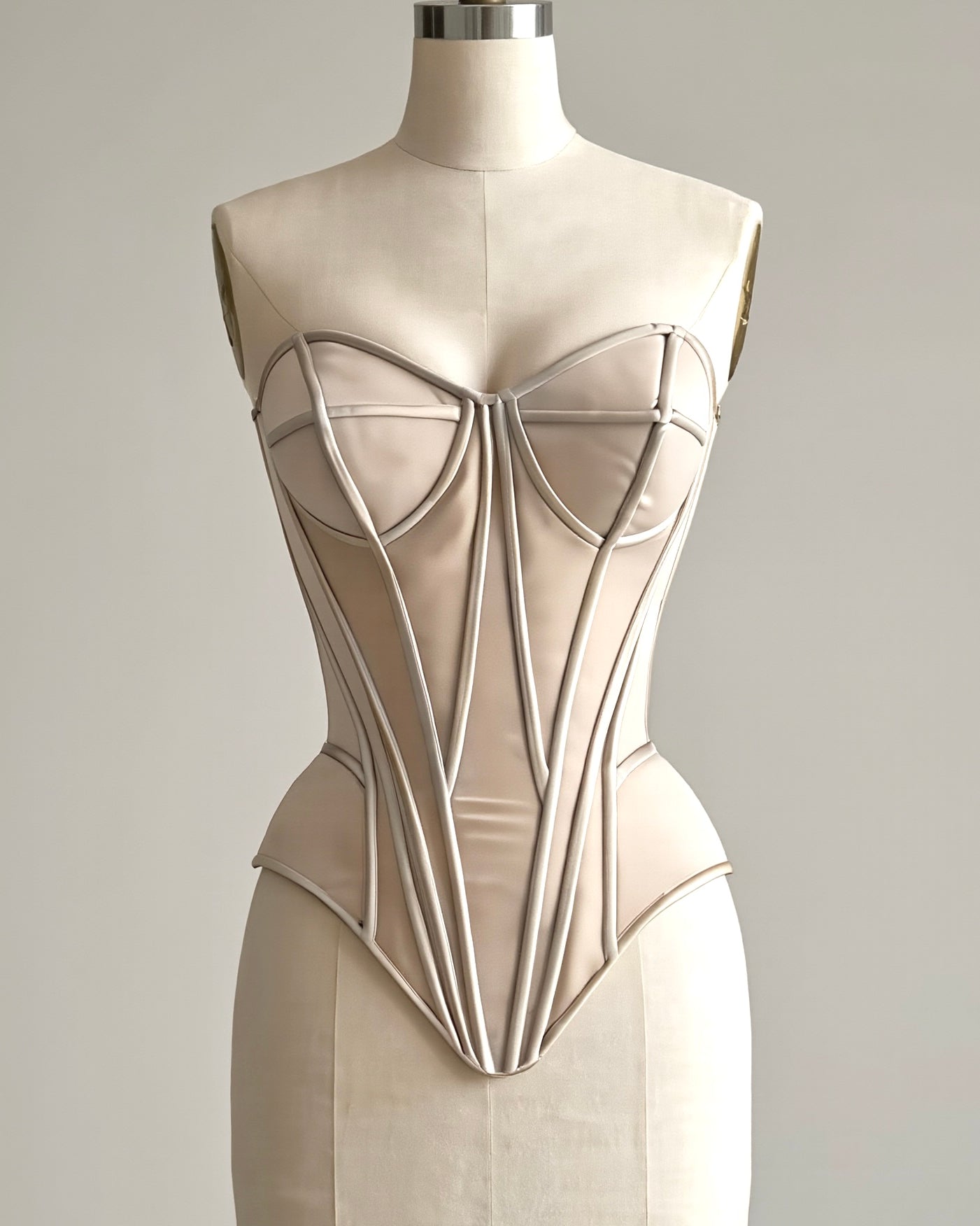
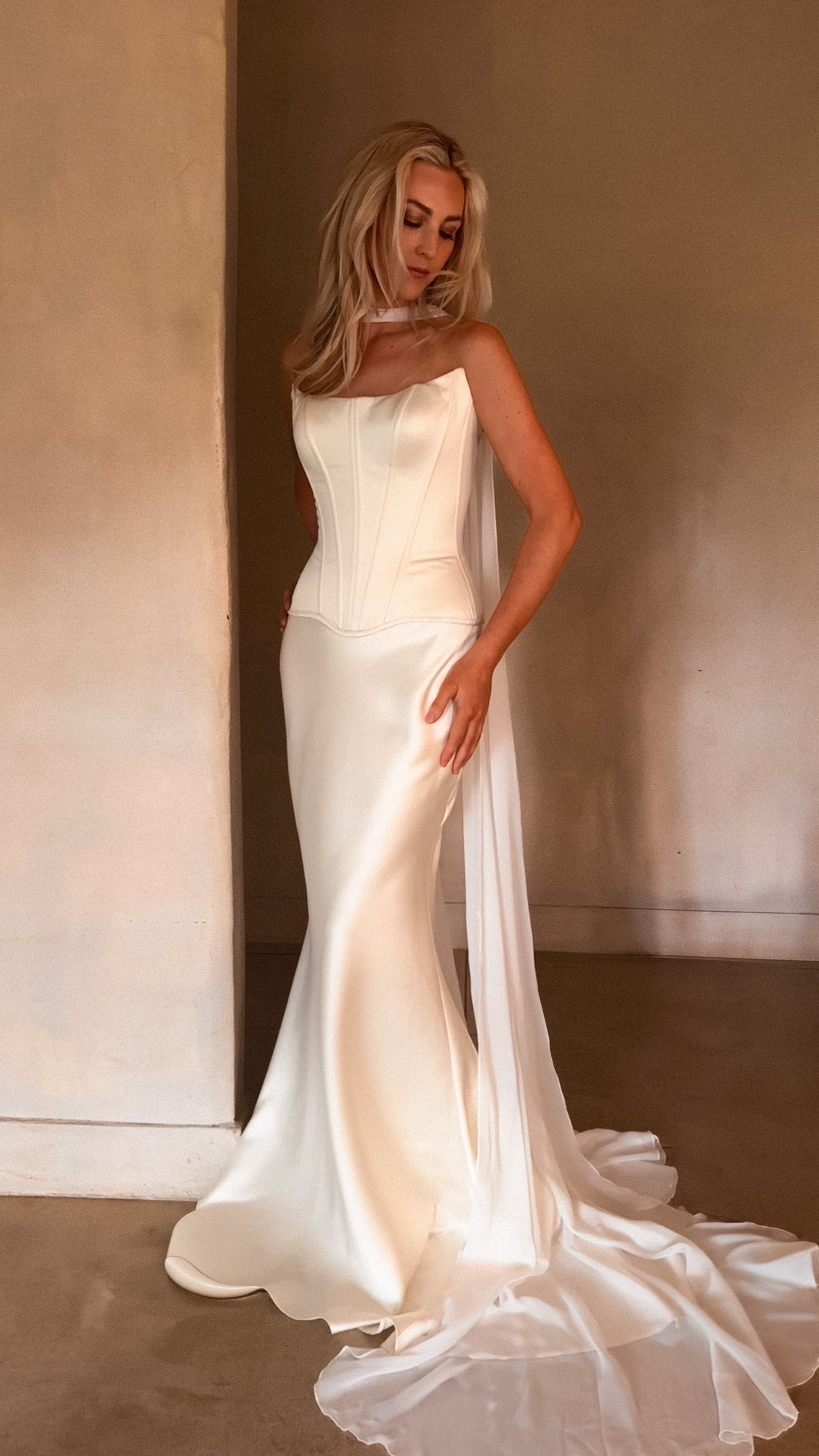
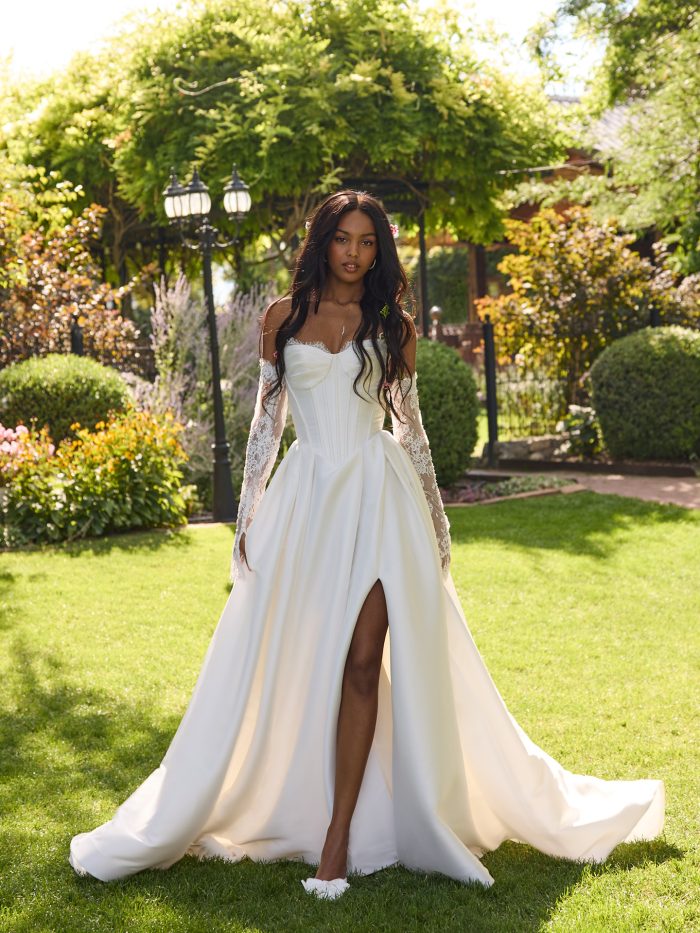
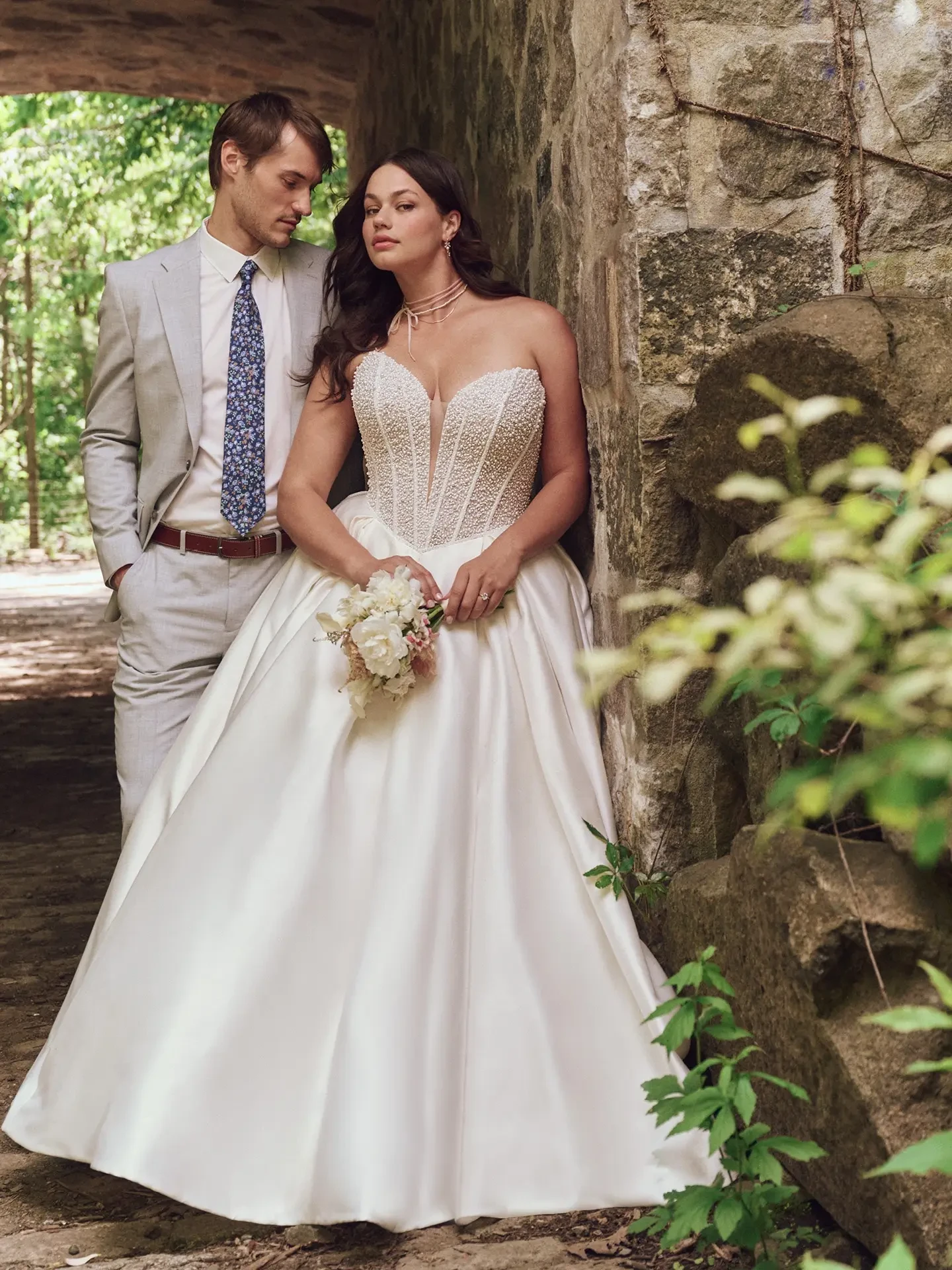
Bridal wear in 2026 borrows heavily from couture tailoring — using corsetry, structured bodices, and sculptural elements to accentuate form while still allowing movement.


-
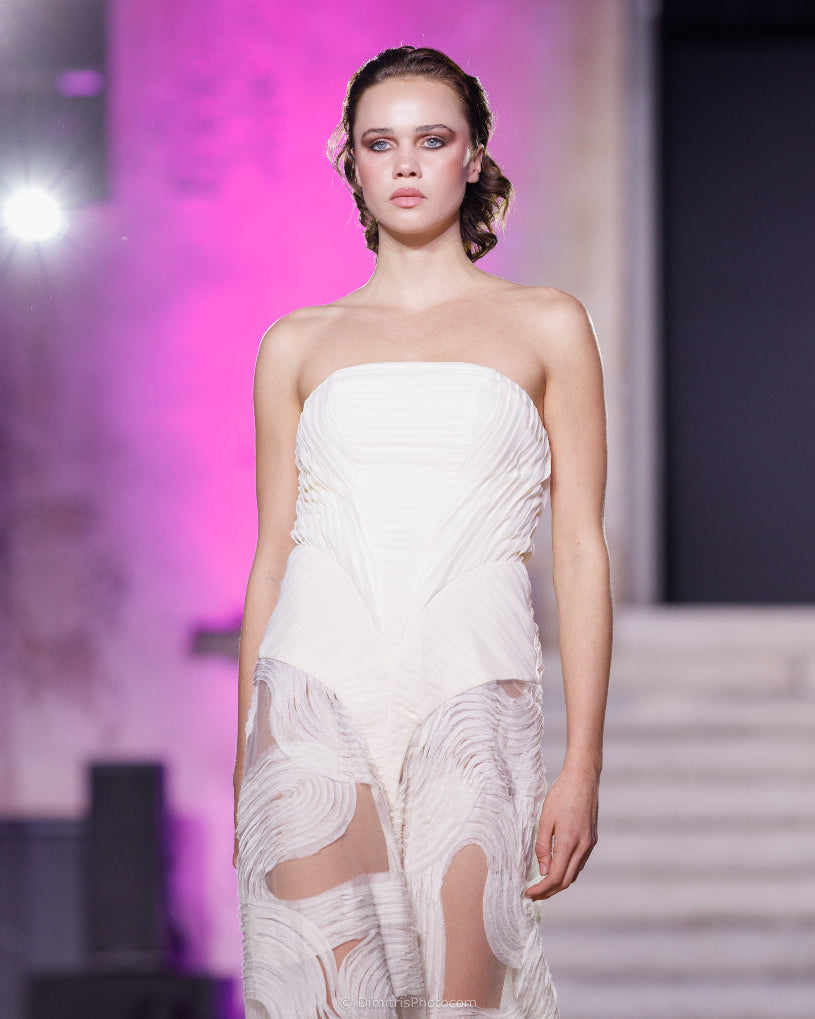
Visible corsetry / boning / structured bodices — not hidden, but celebrated as design elements; gowns that shape the body but remain wearable.
-
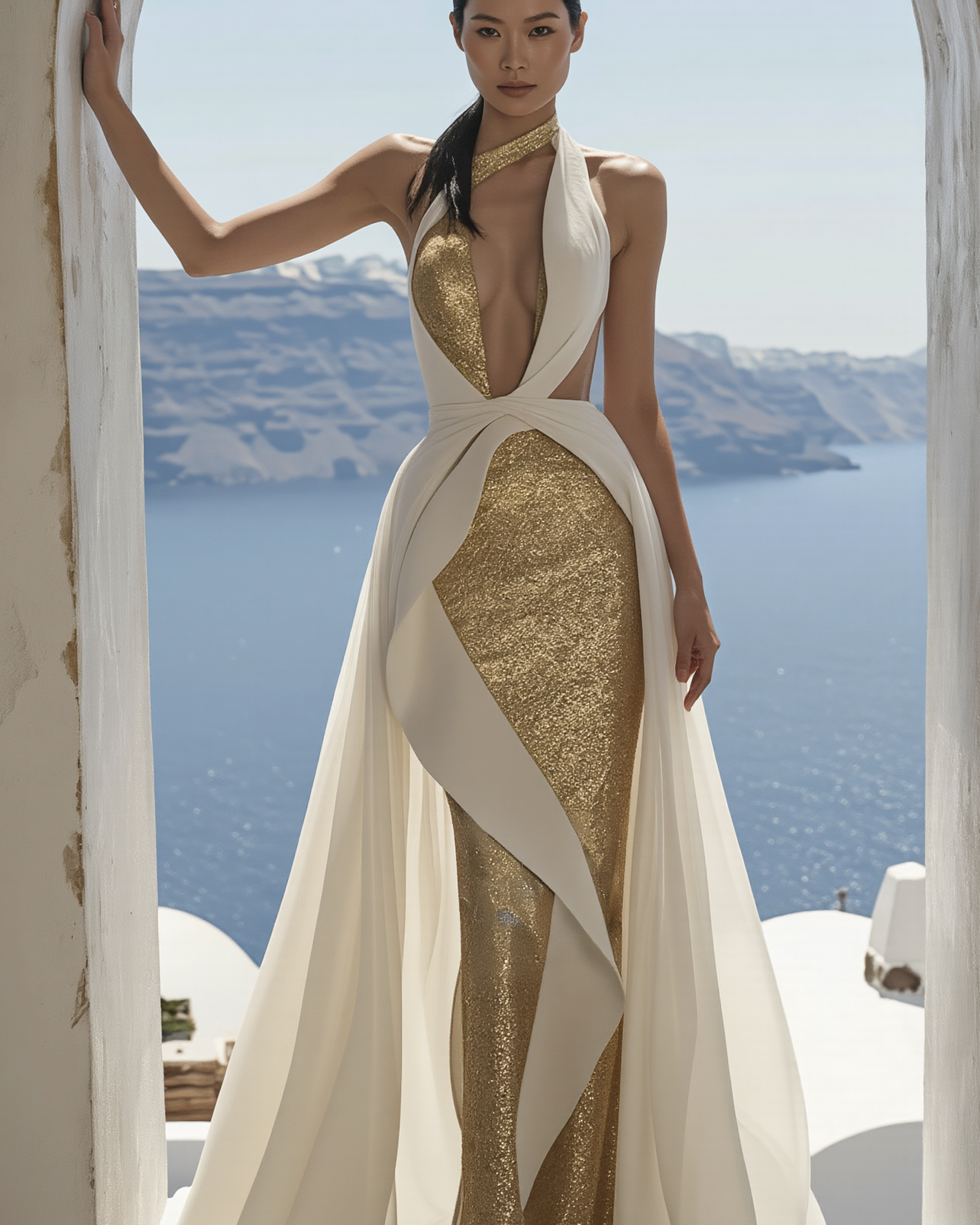
Sculptural tailoring & architectural design — asymmetry, draping, peplum hips, drop waists, and figure-hugging shapes that give a modern, high-fashion silhouette.
-
Comfort + style — despite the structure, designers are carefully selecting fabrics and cuts that allow movement — ideal for dancing, walking down long aisles, or dynamic ceremonies.
This trend balances elegance and strength — perfect for brides who want their dress to reflect confidence, presence, and a contemporary aesthetic.
6. What’s New (but Already Popular): Accessories, Second-Day Looks & Flexibility
2026 doesn’t stop at the dress — what you wear with it matters almost as much.


-
Bridal scarves, capes, boleros — replacing or supplementing veils, these accessories add movement, drama, or a soft romantic touch.
-
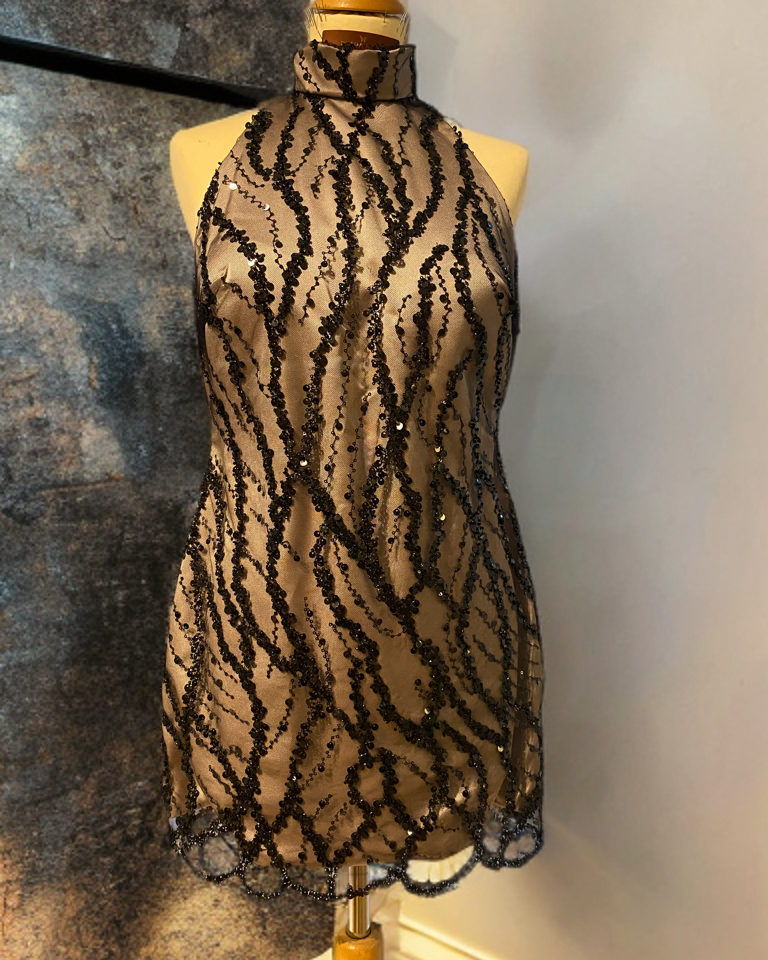
Second-day dresses or reception looks — mini dresses, playful dresses, or more relaxed outfits for after the ceremony (or wedding weekend events) are gaining traction.
-
Sustainable / Ethical options — a growing interest in dresses made from eco-friendly materials, or dresses designed to be wearable beyond the wedding day.
This shows that for many couples, weddings are not just one day — it's a style journey across moments.
What This Means for Brides of 2026
-
Flexibility & personalization — you no longer need to pick one “perfect dress.” Convertible designs, accessories, and themed second-day looks give you freedom to express different sides of yourself.
-
Mixing minimalism and drama — even if you prefer clean lines, you can still adopt one bold detail (like statement sleeves or a textured train) for a subtle twist.
-
More conscious fashion choices — with sustainable fabrics and dresses you can reuse or repurpose, bridal fashion becomes more thoughtful and future-oriented.
-
Styles for every type of wedding — from intimate city elopements to grand celebratory ceremonies or rustic outdoor weddings, 2026 offers options for all settings and personalities.
Final Thoughts
2026 bridal fashion isn’t just about keeping up with what’s “in” — it’s about redefining what a wedding look can be. Whether you lean toward sleek minimalism, maximalist romance, vintage flair, or modern tailoring — there’s room for creativity, personality and evolution.


